Korean skincare is built around prevention, not emergency fixes. Instead of waiting for acne, dryness, or wrinkles to become severe, the routine focuses on daily habits that protect the skin before visible damage appears.
I used to think skincare became important only when something went wrong. A breakout before an event, flaky skin during winter, or the first fine lines around the eyes — those moments felt like signals to finally “deal with” my skin.
What changed my perspective was seeing a completely different approach to skincare culture. In many Korean beauty routines, the goal is not to fight your skin after damage appears. The goal is to keep the skin stable, hydrated, protected, and supported long before bigger problems show up.
Takeaways
- Preventive skincare focuses on maintaining skin health daily instead of correcting damage later.
- Hydration, sunscreen, and gentle cleansing are treated as long-term habits, not occasional fixes.
- Many Korean skincare routines start early because prevention is seen as easier than repair.
- Consistency matters more than expensive “miracle” products.
Many People Treat Skin Care Like Emergency Repair
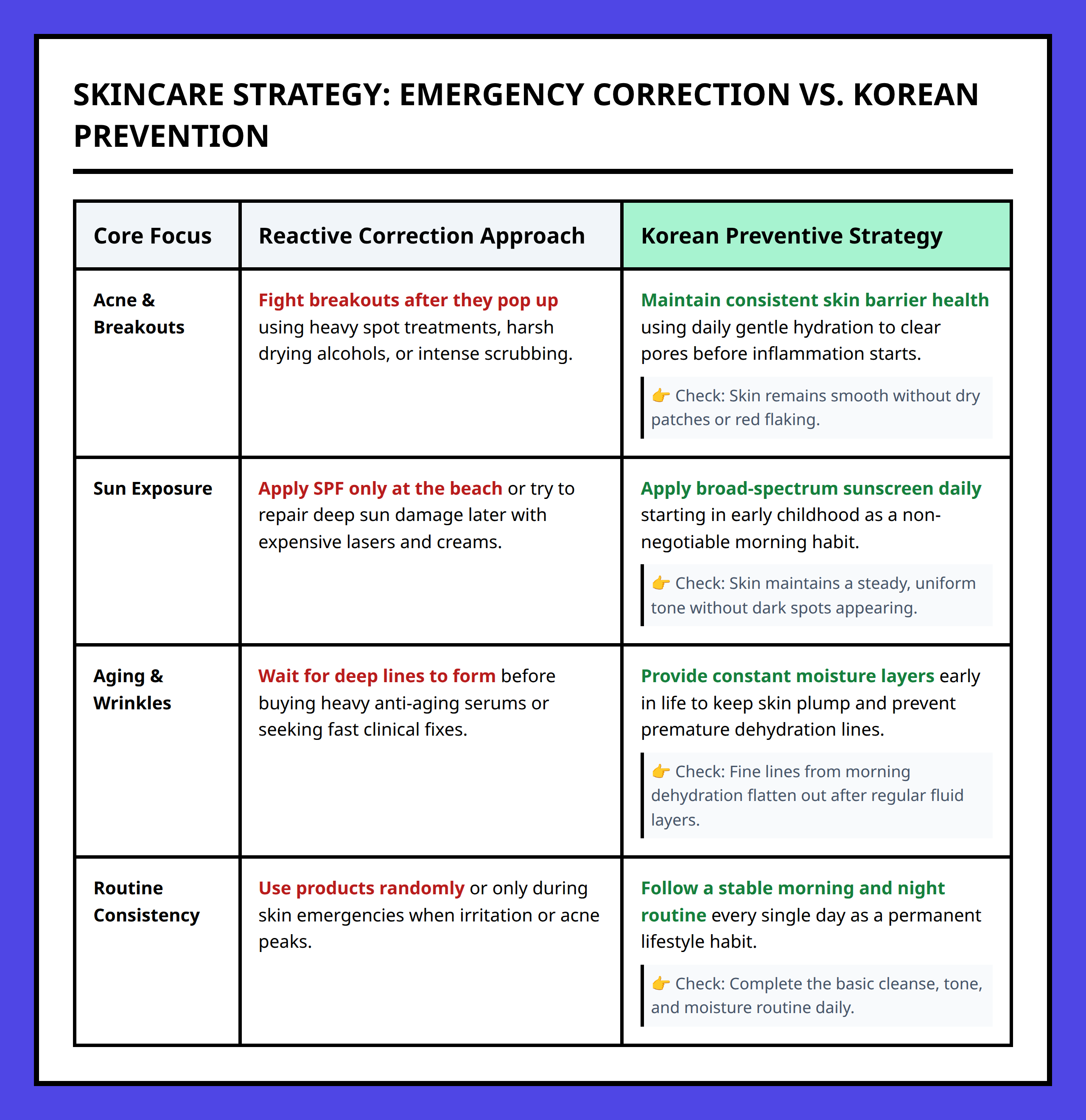
A common skincare pattern looks something like this: people ignore their skin until a problem becomes impossible to miss.
Someone gets a sudden acne breakout and buys the harshest cleanser they can find. Another person notices fine lines and immediately searches for expensive anti-aging creams. Dry skin becomes severe before moisturizer enters the picture. Sunscreen often appears only after sun damage already exists.
I think this reactive mindset changes the entire relationship people have with skincare. The skin becomes something to “fight,” “fix,” or “repair” instead of something to maintain.
That mindset also explains why many people jump from product to product so quickly. If skincare is treated like emergency damage control, every new product feels like it should create instant visible results.
In practice, that usually leads to frustration. A teenager with irritated acne-prone skin may scrub aggressively because the tight, dry feeling seems like proof the cleanser is working. Someone else may overload their skin with strong products after one breakout because they want the problem gone immediately.
The preventive approach starts from a completely different assumption: healthy skin is easier to maintain than damaged skin is to repair.
Prevention Changes the Goal of the Entire Routine
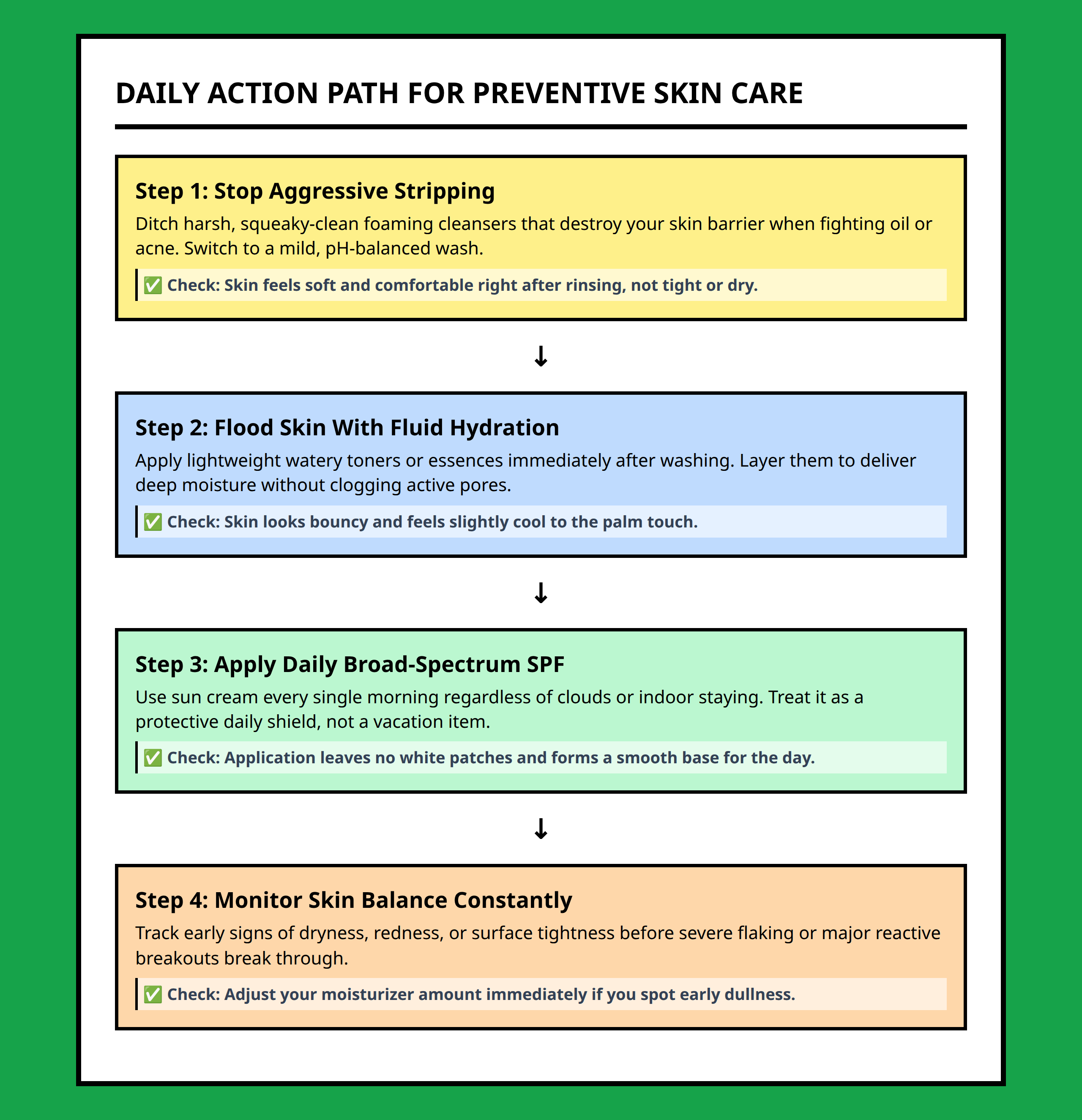
Once skincare becomes preventive instead of reactive, the daily routine changes in subtle but important ways.
The focus moves toward habits that protect the skin barrier consistently over time:
- Using sunscreen before sun damage appears
- Keeping skin hydrated before dryness becomes irritation
- Cleansing gently instead of stripping the skin
- Building routines around consistency instead of panic
- Paying attention to environmental stress before it causes visible problems
That sounds simple, but it creates a very different long-term outcome.
I notice this especially with sunscreen. In many Western skincare habits, sunscreen often feels optional unless someone is spending the day outside. In preventive Korean skincare culture, SPF is treated more like brushing your teeth. The logic is straightforward: UV exposure accumulates over time, so waiting until damage appears misses the point entirely.
The same thinking applies to moisturizing. Hydration is not treated as a luxury step for older skin. It is treated as ongoing maintenance that helps preserve skin health earlier and longer.
Why Skin Care Starts Younger in Korean Beauty Culture
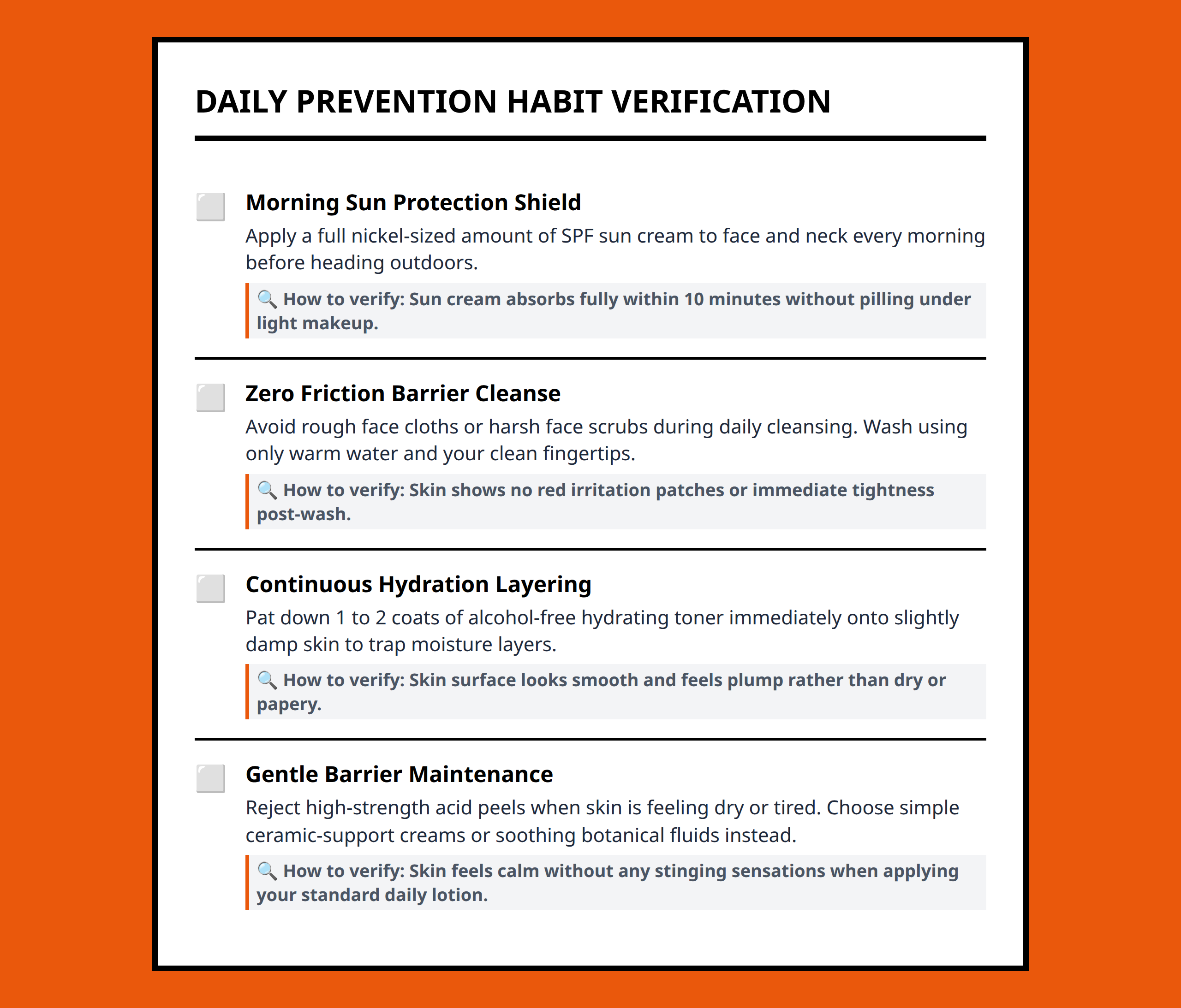
One of the most interesting differences is that skincare habits often start much earlier.
Children are taught basic skin maintenance the same way they are taught hygiene habits. Moisturizer, sunscreen, and gentle cleansing are introduced before acne or visible aging become serious concerns.
I think this matters because habits formed early tend to become automatic later.
A person who grows up using SPF daily usually does not experience sunscreen as an annoying extra step. A person who learns to moisturize consistently may not wait until their skin feels painfully dry before taking care of it.
That preventive rhythm changes how people shop for skincare too. Instead of searching for dramatic correction, they often look for products that support long-term balance and comfort.
There is also less pressure on skincare to create overnight transformation. Prevention works quietly. Its results are cumulative.
You can see this in ordinary daily situations. Someone commuting to work in dry winter air may keep a small moisturizer or facial mist nearby, not because their skin is damaged already, but because they know the environment will gradually dry it out over the day.
The behavior looks small. The long-term effect is not.
Prevention Also Changes How People Think About Aging
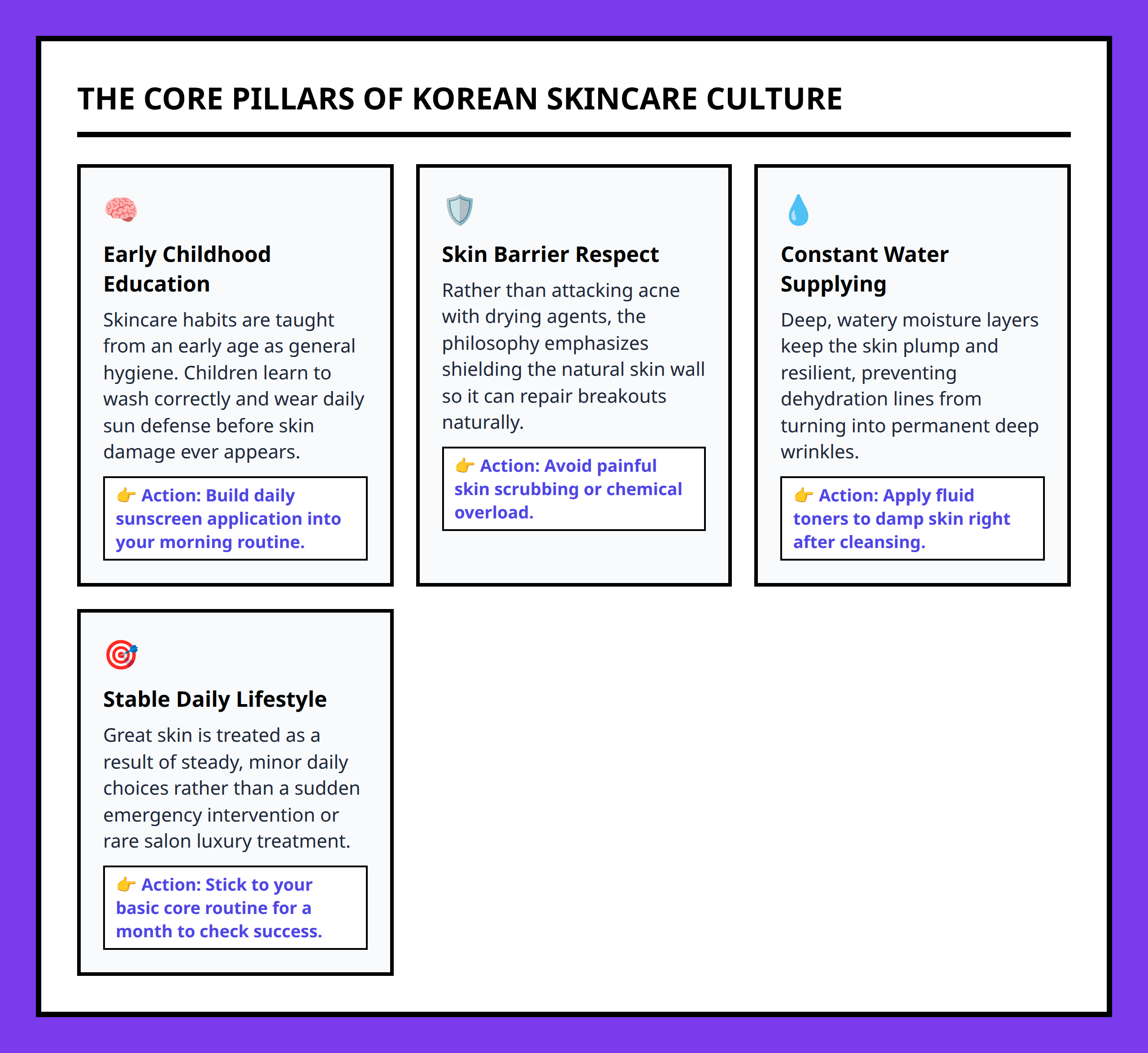
A reactive skincare mindset often creates urgency around aging.
The first wrinkle appears, and suddenly the search begins for products that promise dramatic reversal. That pressure feeds the idea that skincare should produce fast correction instead of slow support.
Preventive skincare creates a calmer relationship with aging because the routine already exists before visible aging becomes the focus.
I find this especially important because many people unknowingly separate “young skin care” from “older skin care.” In reality, the same foundational habits matter across decades:
- Sun protection
- Hydration
- Gentle cleansing
- Routine consistency
- Paying attention to how the skin reacts
The difference is timing. Preventive skincare starts before the skin is under obvious stress.
That does not mean prevention eliminates aging. It means the skin often stays healthier, more stable, and easier to manage over time.
Why Consistency Matters More Than Expensive Products
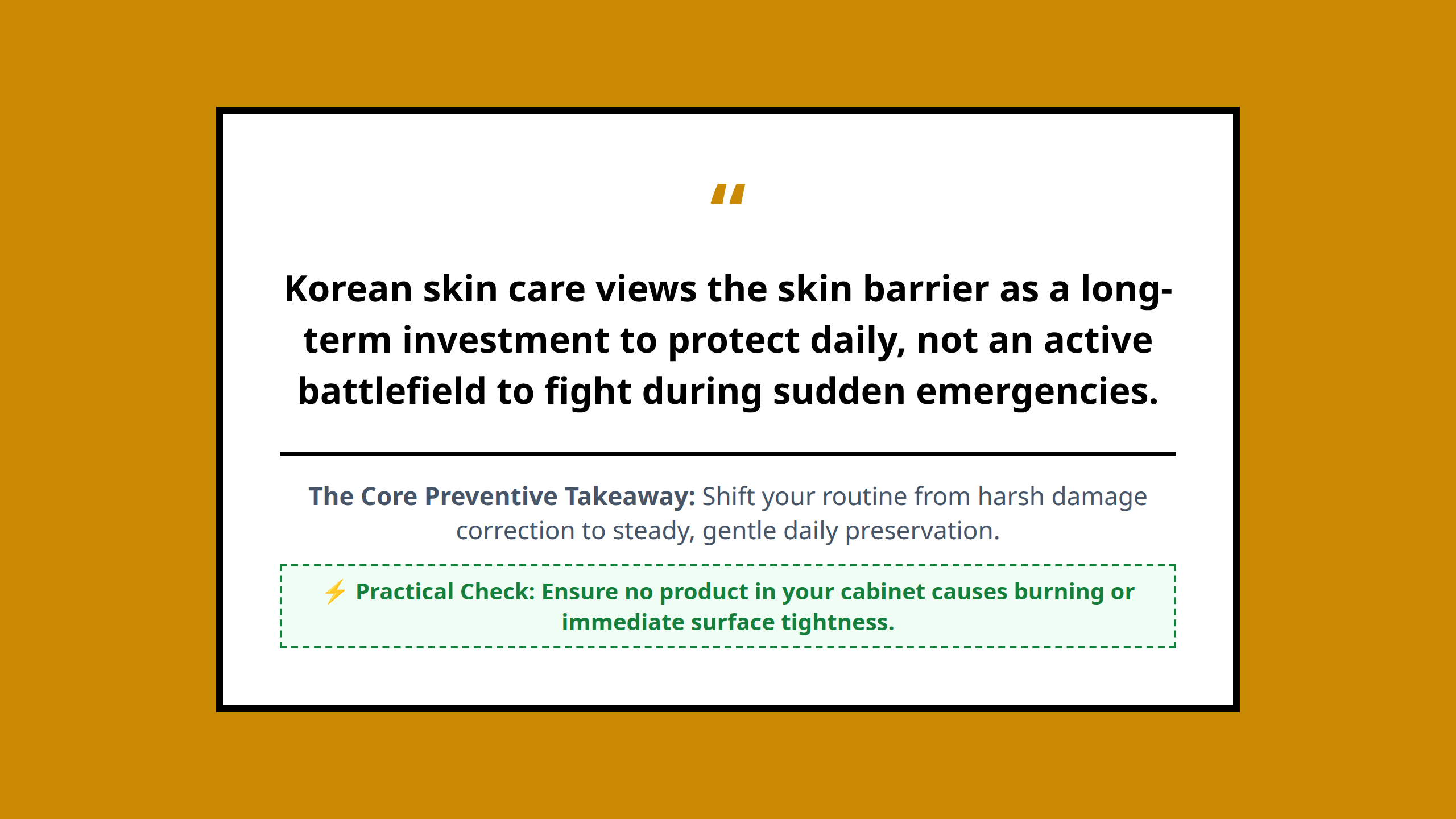
A prevention-first philosophy also reduces the obsession with miracle products.
I think many skincare frustrations come from expecting one product to undo years of neglect, irritation, sun exposure, or inconsistent habits.
Preventive skincare spreads responsibility across repeated daily actions instead of placing all hope on one corrective treatment.
That is why routine consistency matters so much in Korean skincare culture. A routine does not need to be dramatic to be effective. In many cases, the most important habits are the least exciting:
- Applying SPF even on ordinary days
- Moisturizing before the skin feels uncomfortable
- Removing makeup properly before bed
- Avoiding overly harsh cleansing
- Paying attention to changing skin conditions
None of those habits look impressive on social media. They also happen to support healthier skin over the long run more reliably than panic-buying products after problems appear.
I would personally pay close attention to routines that feel sustainable rather than routines that feel aggressive. Prevention only works when people can realistically continue the behavior.
Prevention Requires Paying Attention to Your Skin Earlier
One thing I appreciate about preventive skincare is that it encourages observation instead of reaction.
Instead of waiting for visible irritation, the person notices smaller signals:
- Skin feels tighter than usual
- Weather changes affect hydration
- Certain cleansers leave irritation behind
- Lack of sleep changes skin texture
- Indoor heating dries the skin during winter
Those smaller observations make it easier to adjust early.
A reactive skincare approach often waits until the problem becomes obvious enough to force action. Prevention works best when people notice the quieter signals first.
That is probably the biggest philosophical difference. Preventive skincare treats skin health as something that is maintained continuously, not rescued occasionally.
- SPF: SPF stands for Sun Protection Factor. It measures how well sunscreen helps protect the skin from UVB rays that contribute to sunburn and skin damage.
- Skin barrier: The outer protective layer of the skin that helps keep moisture in and irritants out.
- Hydration: In skincare, hydration refers to maintaining enough water content in the skin to keep it healthy, comfortable, and balanced.
- Preventive skincare: A skincare approach focused on protecting and maintaining skin health before visible problems appear.
- Reactive skincare: A skincare approach that mainly responds to problems after damage, irritation, acne, or aging signs become noticeable.
References:
- https://orlenaskin.com/blogs/the-deep-dive/korean-skincare-prevention-focus
- https://www.drjart.com/korean-skincare-guide/skin-barrier-sensitivity
- https://vedicline.com/the-reason-korean-skincare-is-always-one-step-ahead/
- https://kbeautyworld.com/blogs/skincare-101/why-korean-beauty
- https://www.healthline.com/health/beauty-skin-care/korean-skincare-routine
- https://rachelaesthetics.com/skin-health-and-barrier-repair/
- https://skinticstore.com/blogs/news/k-beauty-explained-what-makes-korean-skincare-so-effective
- https://superkos.co/the-barrier-era-why-healthy-skin-is-replacing-aggressive-skincare-in-modern-k-beauty/
- https://haruharuwonder.com/blogs/all/k-beauty-exposed-trend-or-true-skincare-game-changer
