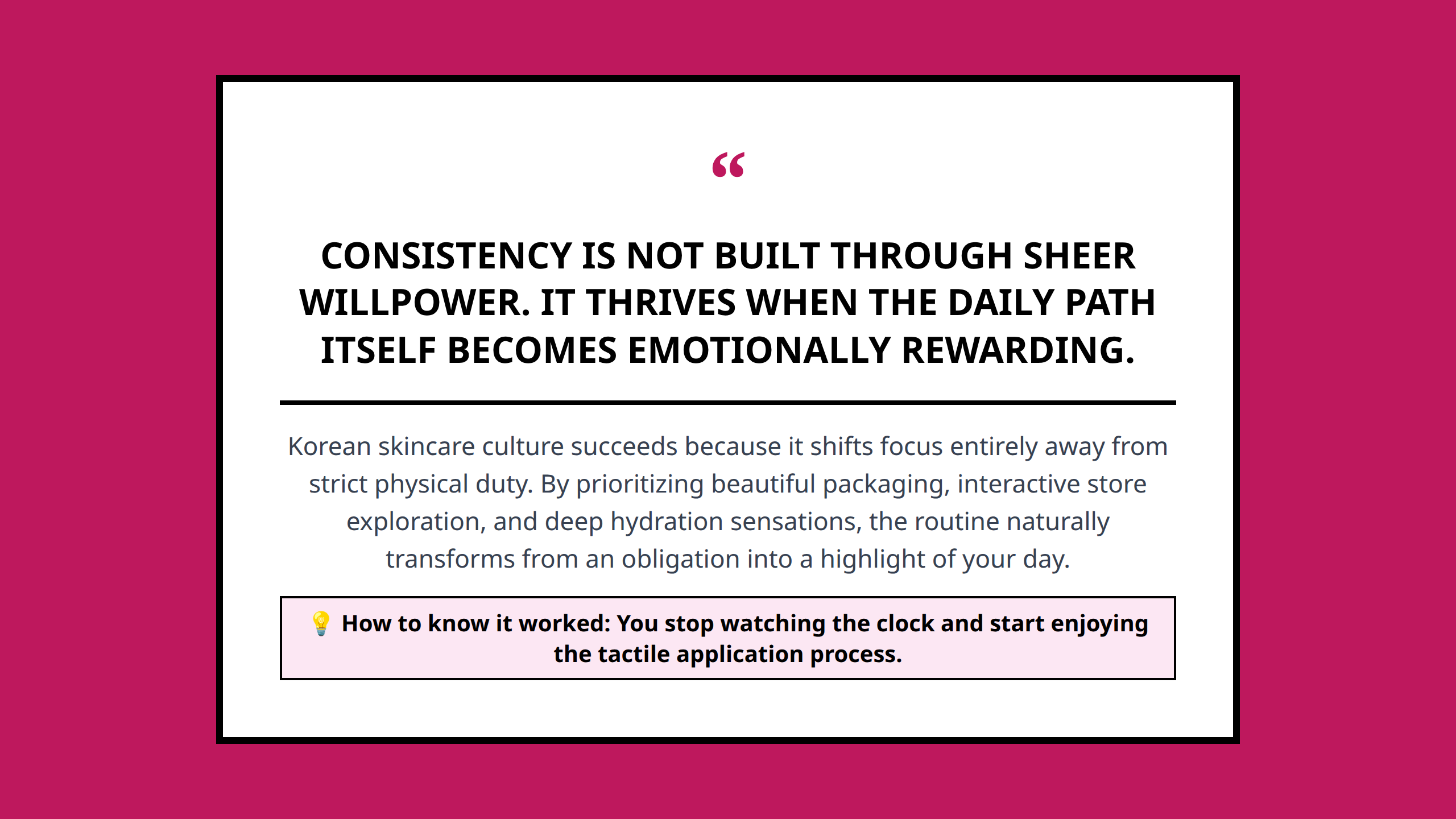
Korean skincare culture encourages consistency by making skincare feel enjoyable, comforting, and emotionally rewarding instead of treating it like a chore that only matters when problems appear.
A lot of people struggle with skincare consistency for the same reason they struggle with many health habits: the routine feels like maintenance work. It becomes something people force themselves to do after a breakout, before an event, or when guilt finally catches up.
I used to think the main reason Korean skincare routines worked was product quality or technique. What stands out to me more now is how much attention Korean beauty culture gives to the experience of the routine itself.
That changes behavior more than people realize.
Takeaways
- Korean skincare culture treats routines as enjoyable rituals rather than emergency repair work.
- Packaging, textures, hydration habits, and store experiences all help increase consistency.
- People are more likely to repeat routines that feel emotionally rewarding.
- Long-term skincare results often come from sustainable habits instead of occasional intensity.
Many People Only Pay Attention to Skin Care When Something Goes Wrong
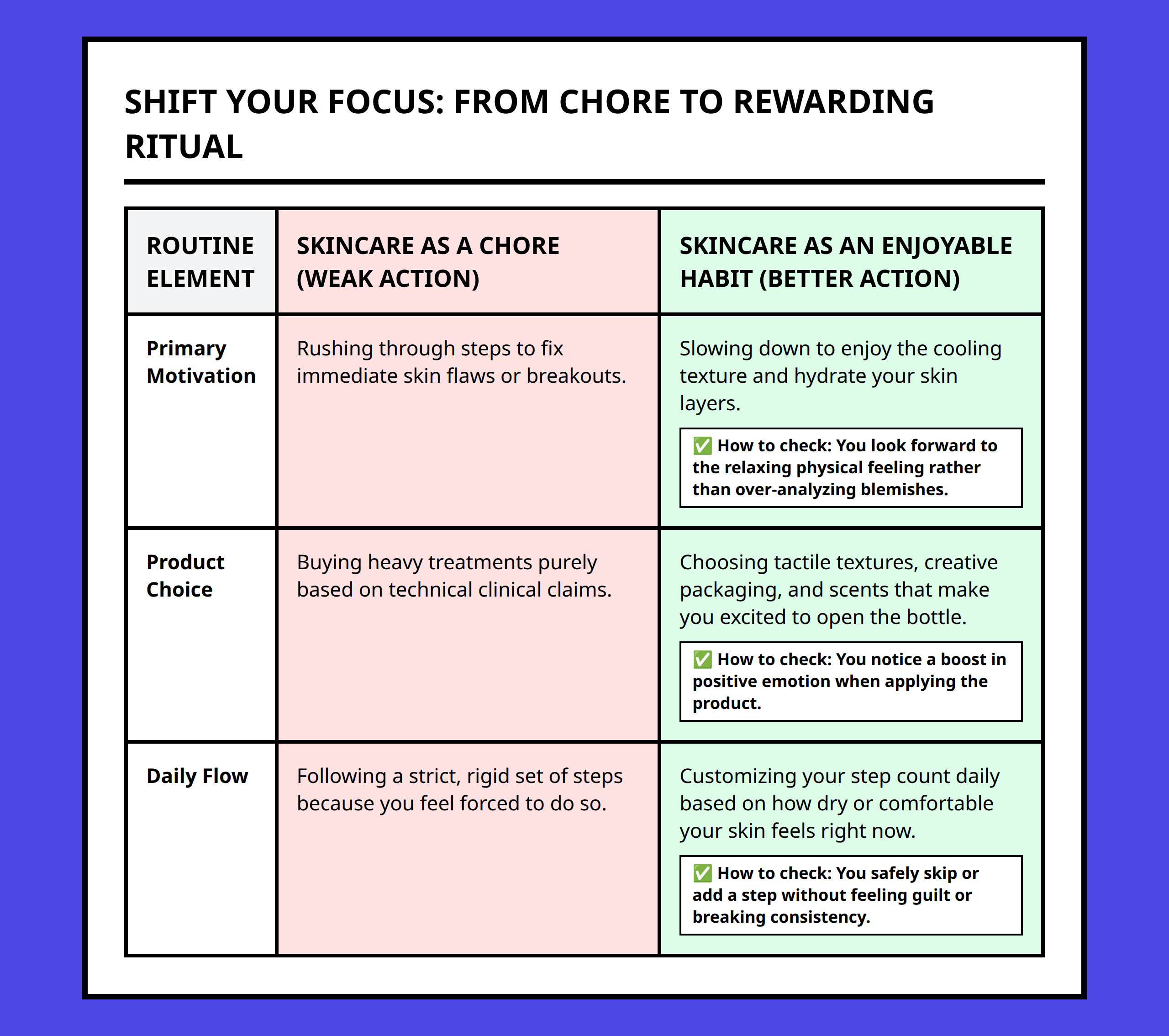
A common skincare cycle looks very reactive.
Someone ignores their routine for weeks, gets frustrated by breakouts or dryness, buys several new products at once, uses them intensely for a few days, then slowly stops again once life becomes busy.
I would not blame people for this entirely because many beauty routines are marketed through anxiety. The message often sounds like skincare is correction work: fight wrinkles, erase acne, repair damage, fix flaws.
That mindset makes skincare feel stressful before the routine even begins.
When people associate skincare mainly with problems, they usually approach it with urgency instead of enjoyment. The routine becomes another task to complete rather than something integrated naturally into daily life.
You can picture someone rushing through a nighttime routine while already exhausted, applying products mechanically because they feel they “should.” That kind of routine rarely feels sustainable for years.
Korean skincare culture often shifts the emotional tone completely.
Enjoyment Is Treated Like Part of the Routine
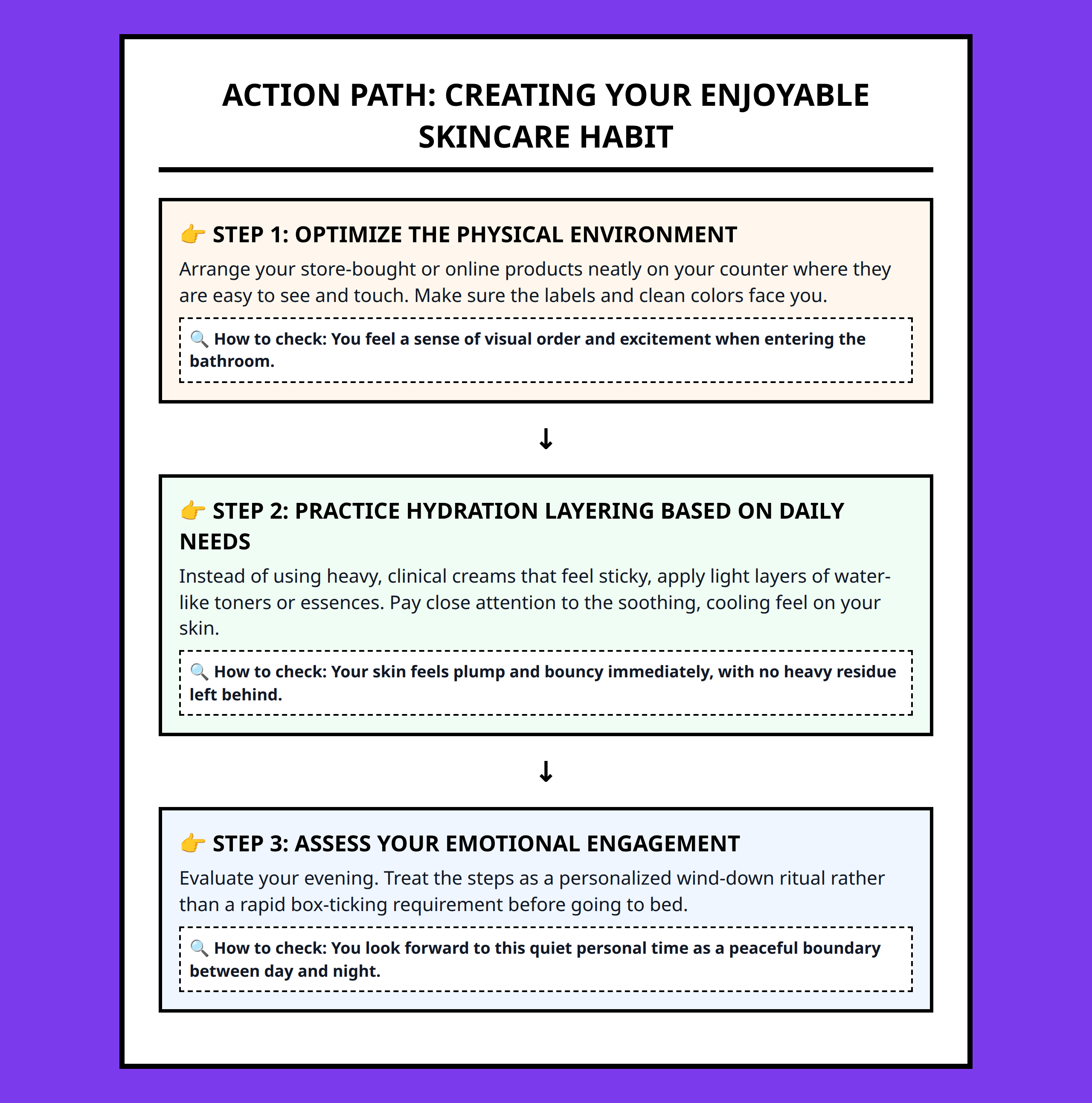
One thing I notice repeatedly in Korean beauty culture is that enjoyment is not treated as superficial or unnecessary.
The routine itself is supposed to feel pleasant.
That appears in small details:
- Comfortable product textures
- Gentle application methods
- Hydrating layers that feel soothing
- Packaging designed to feel emotionally engaging
- Products that feel calming instead of aggressive
I think these details matter because habits are easier to repeat when they create some form of immediate emotional reward.
A person may not see dramatic skincare results after one night, but they can still enjoy how the routine feels in the moment. That feeling helps support consistency long before visible improvement appears.
The emotional reward arrives earlier than the long-term skin results.
Hydration Rituals Help Skin Care Feel Comforting Instead of Punishing
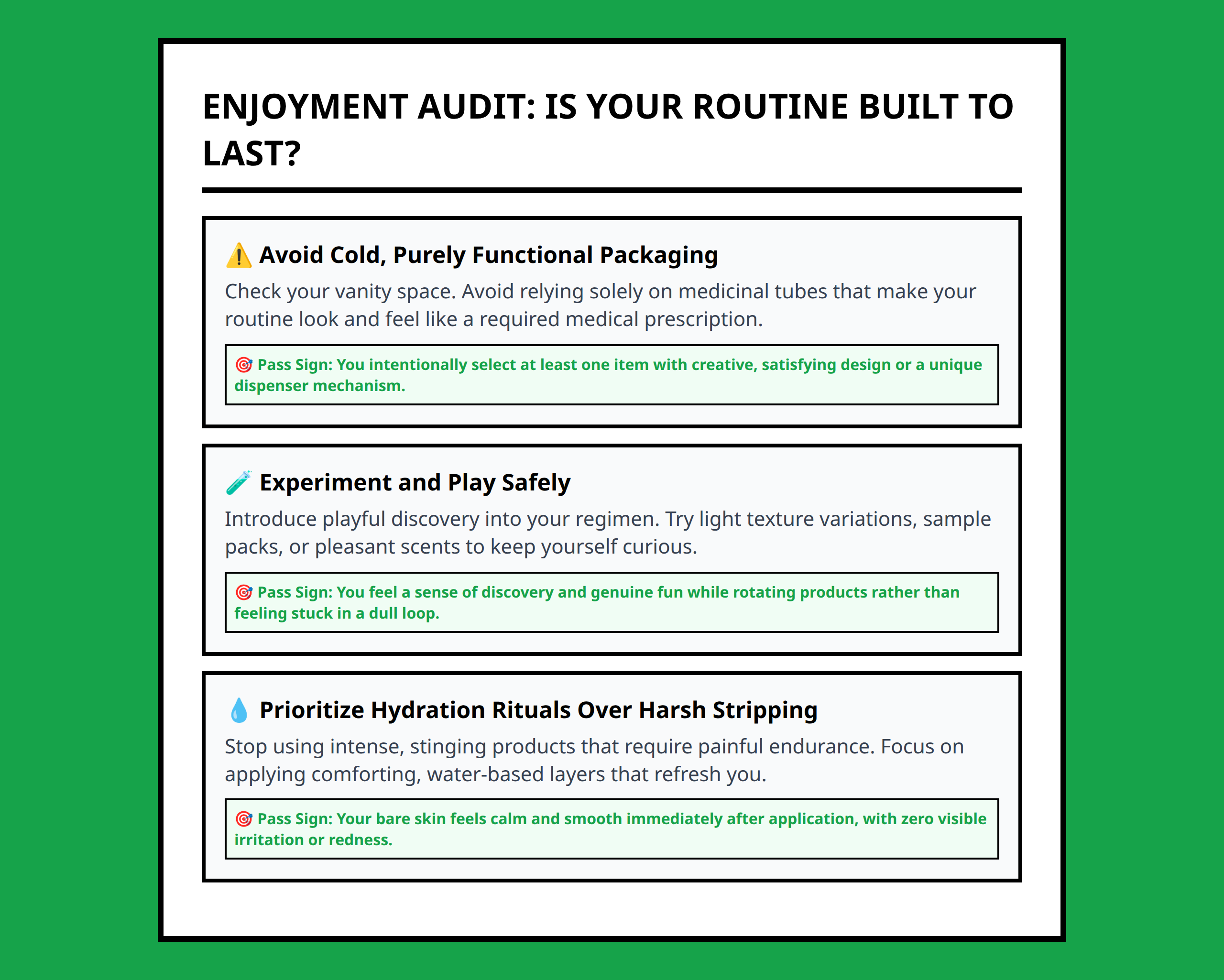
Hydration culture plays a surprisingly important role here.
In many aggressive skincare routines, products are associated with discomfort: stinging treatments, drying cleansers, tight skin, or harsh correction.
Korean skincare routines often create the opposite emotional association.
Hydrating mists, lightweight layers, sheet masks, and moisturizers are frequently presented as comforting and restorative rather than corrective punishment for bad skin.
I think this changes the emotional relationship people build with their routines.
A person sitting down with a hydrating sheet mask after a long day experiences skincare differently than someone scrubbing irritated skin aggressively in front of a bathroom mirror trying to “fix” it overnight.
The first routine feels closer to care. The second feels closer to damage control.
That emotional difference affects whether people want to continue the behavior consistently.
Packaging and Store Design Quietly Reinforce the Habit
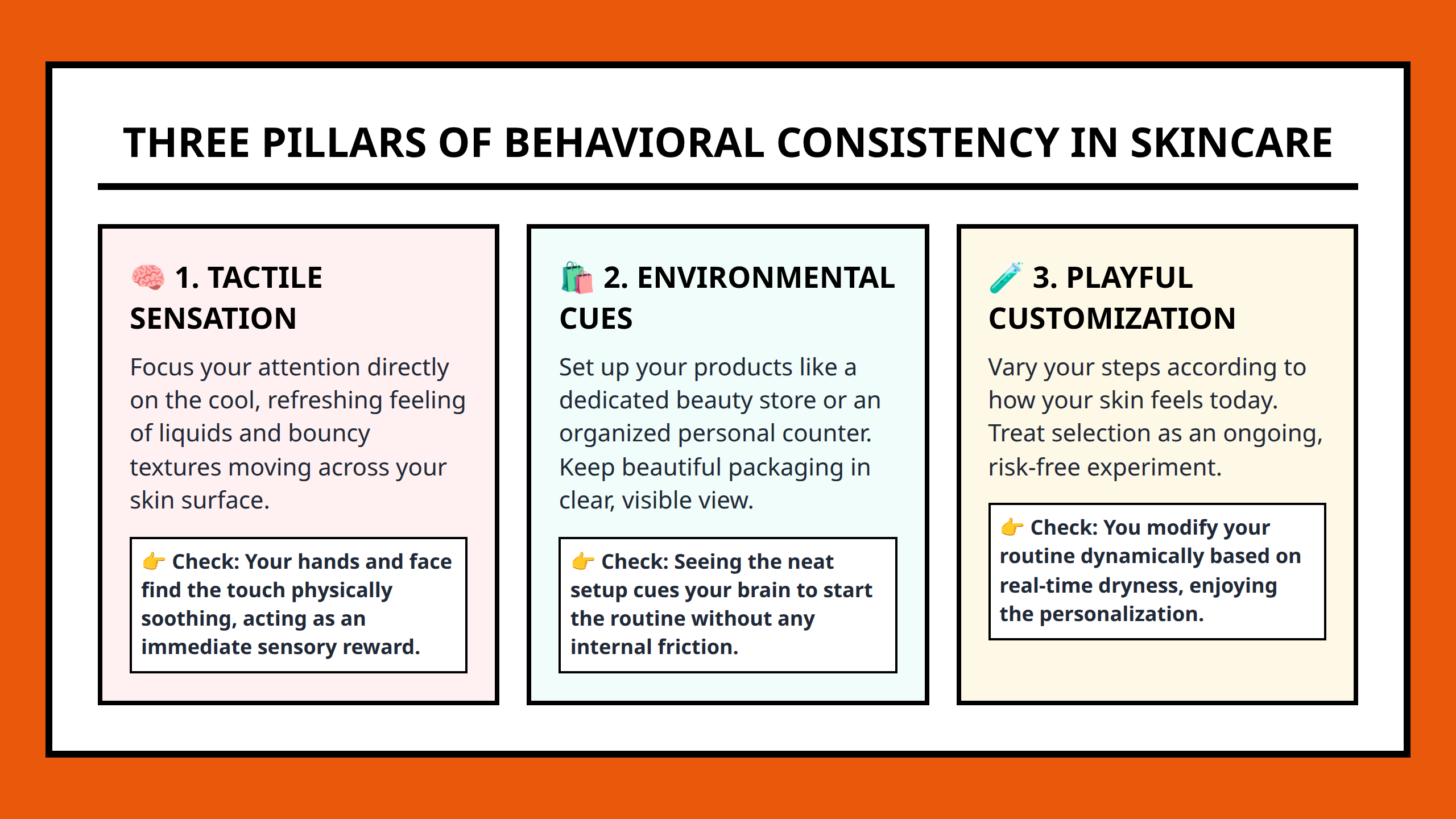
The environment around skincare matters too.
Korean beauty stores are often designed to encourage exploration, curiosity, and experimentation. Products are displayed in ways that make skincare feel accessible and engaging rather than clinical.
I think packaging supports the same psychological effect.
Products that feel visually appealing or emotionally comforting are easier to incorporate into daily routines because people enjoy interacting with them more.
That does not mean cute packaging automatically makes a product effective. But I would not dismiss the behavioral role of design either.
Someone is more likely to repeat a routine consistently when the products feel pleasant to pick up, apply, and see in their environment daily.
Those tiny moments of positive reinforcement accumulate quietly over time.
Experimentation Keeps the Routine From Feeling Stale
Korean skincare culture also seems unusually open to experimentation.
People often try different textures, switch products seasonally, and adjust routines based on how their skin feels instead of staying rigidly attached to one system forever.
I think this flexibility helps prevent boredom.
Many people abandon routines because repetition starts feeling emotionally flat. The skincare becomes automatic in the worst way — disconnected from attention or enjoyment.
Experimentation creates novelty without abandoning the larger habit.
You can imagine someone changing to lighter hydrating products during humid weather or trying a new sheet mask before the weekend. The overall routine remains stable, but small changes keep the experience feeling personal and engaging.
That emotional freshness helps support long-term consistency.
Why Korean Skin Care Often Feels More Like Ritual Than Maintenance
I think the biggest difference is that Korean skincare routines are often framed as rituals instead of obligations.
A ritual is repeated for more than pure utility. The process itself carries emotional value.
That does not mean every skincare routine needs candles, music, or elaborate self-care performances. The rituals are usually much smaller and quieter than social media makes them look.
Sometimes the ritual is simply slowing down enough to pay attention to how the skin feels that day.
Sometimes it is the comfort of repeating familiar hydration steps before bed.
Sometimes it is the small satisfaction of maintaining a routine that feels personal instead of forced.
I would pay close attention to this distinction because consistency often depends less on discipline than people assume.
People repeat routines more naturally when the routines feel emotionally sustainable.
Consistency Improves Because the Routine Stops Feeling Temporary
Many reactive skincare habits fail because they are built around urgency.
The person wants fast correction, not a lasting relationship with the routine itself. Once the immediate problem fades, motivation disappears too.
Korean skincare culture often creates a steadier mindset.
The routine becomes part of everyday life rather than a temporary emergency response. Skincare is integrated into ordinary moments instead of reserved only for visible problems.
I think that may be the most practical lesson behind the entire culture.
Healthy skin often comes from routines people can realistically continue for years. Enjoyment matters because people rarely maintain habits that feel emotionally draining forever.
When skincare starts feeling comforting, personal, and rewarding instead of corrective and stressful, consistency becomes much easier to maintain naturally.
- K-beauty: A general term for Korean beauty and skincare products, routines, and beauty culture.
- Sheet mask: A face-shaped mask soaked in skincare ingredients, commonly used for temporary hydration and comfort.
- Hydration: Maintaining enough water content in the skin to support comfort, smoothness, and balance.
- Skincare ritual: A repeated skincare routine that carries emotional or calming value beyond basic product application.
- Routine consistency: The ability to maintain habits regularly over long periods instead of using products only occasionally.
References:
- https://www.youtube.com/watch?v=bESElsccVXE
- https://www.vogue.com/article/korean-skin-care-routine
- https://intothegloss.com/2014/04/korean-beauty-skincare/
- https://www.foreo.com/mysa/the-korean-skin-care-phenomenon
- https://www.youtube.com/watch?v=WQ20spEQN2Q
- https://www.freshaurabda.com/post/the-unique-advantages-of-korean-skincare-practices
