Oily skin can feel challenging, but with a structured approach using natural kitchen ingredients, you can build a complete DIY routine that cleanses, exfoliates, tones, and masks without harsh chemicals.
Many people with oily skin try random home remedies, but the key is following a sequence that addresses each step logically. By understanding the order and purpose of each preparation, you avoid ineffective or counterproductive treatments.
I’ve found that treating oily skin as a system rather than isolated remedies makes a huge difference. Each step supports the next, creating a balanced routine that reduces excess oil while keeping skin healthy.

Takeaways
- Oily skin benefits from a structured DIY routine rather than sporadic treatments.
- Natural kitchen ingredients can be effective for cleansing, exfoliating, toning, and masking.
- Following the correct sequence ensures each step supports the next for better results.
Step 1: Cleansing with Gentle Natural Ingredients
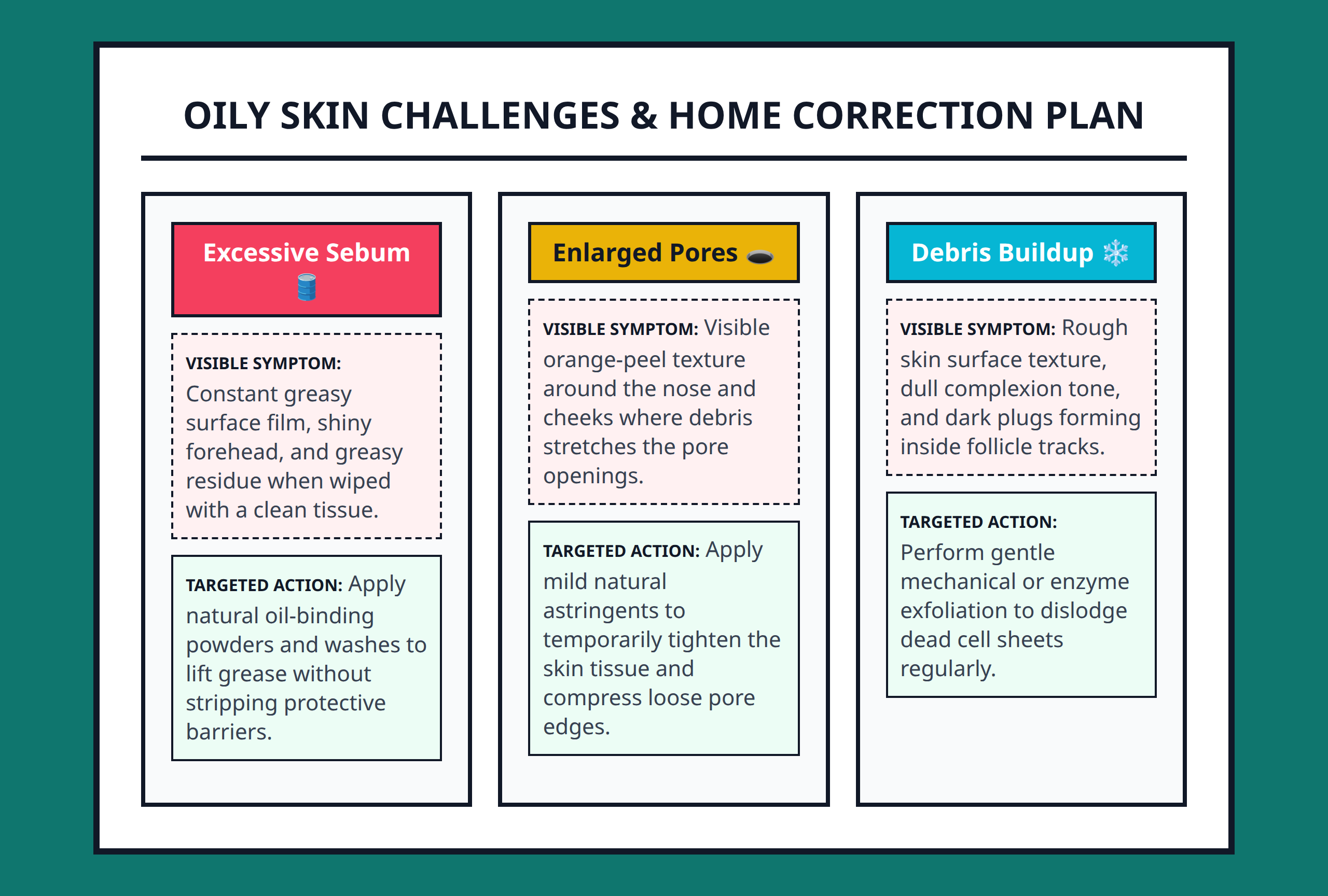
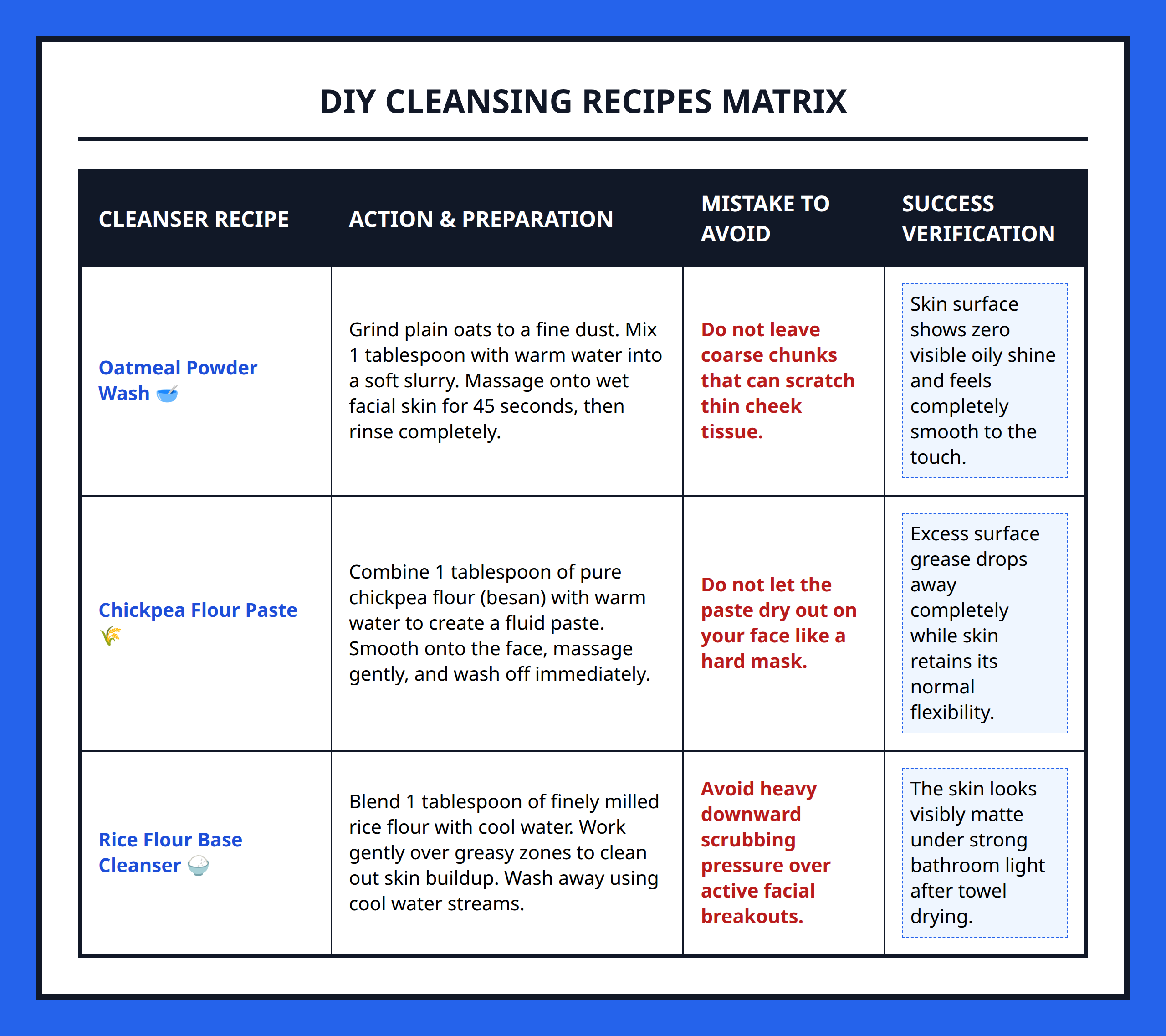
Cleansing removes surface oil, dirt, and buildup. I usually recommend mild natural agents like honey or yogurt, which cleanse without over-stripping essential oils. The key is gentle massage and thorough rinsing to avoid irritation.
Step 2: Exfoliation to Clear Pores

Once the skin is clean, exfoliation removes dead cells that can trap oil and clog pores. I favor kitchen ingredients such as oatmeal or finely ground almonds mixed with yogurt. Gently rubbing in circular motions helps keep the pores clear while maintaining skin integrity.
Step 3: Toning for Balance
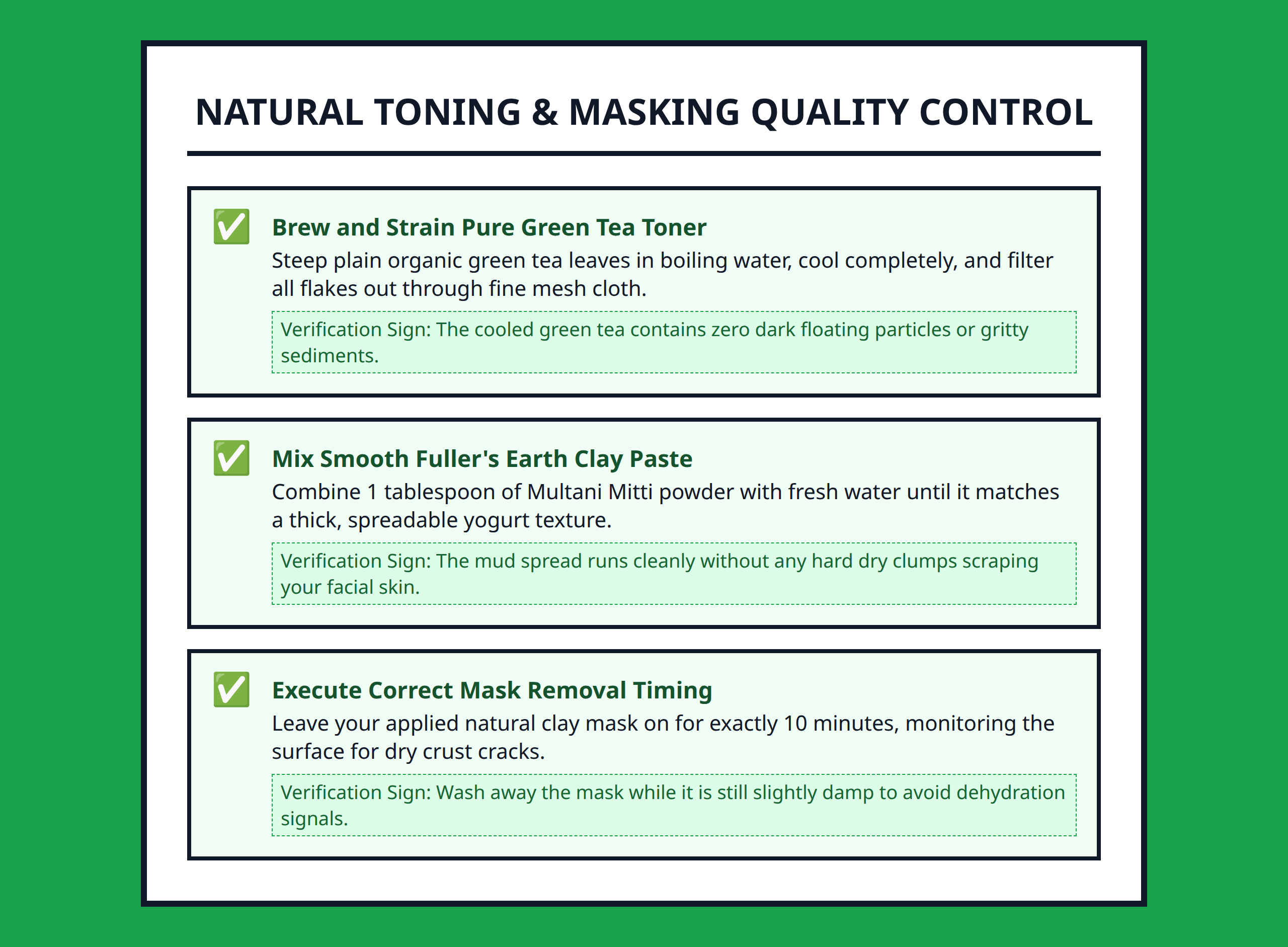
Toning restores the skin’s pH and helps control oil. Simple options like diluted apple cider vinegar or green tea can act as toners. I pay attention to applying toners lightly, using a cotton pad or gentle splash method, to ensure even coverage without overstimulating the skin.
Step 4: Masking to Target Excess Oil

Masks help draw out impurities and regulate sebum production. Ingredients like clay mixed with honey or yogurt form effective masks. I typically leave them on for 10–15 minutes, enough to absorb excess oil but not dry out the skin. Consistency is important—applying masks once or twice weekly can balance oil without irritation.
Routine Integration and Frequency
For best results, I recommend following this sequence systematically. Cleansing and toning can be done daily, exfoliation a few times a week, and masks once or twice weekly. Observing how your skin responds helps adjust the routine. The structured system ensures each DIY step complements the others for more consistent oil control.
- Exfoliation: The process of removing dead skin cells to prevent clogged pores and promote smoother skin.
- Toning: Balancing the skin’s pH and preparing it for hydration or treatments.
- Mask: A topical preparation that targets specific skin issues like excess oil or impurities.
- Clay: Natural material used in masks to absorb oil and purify skin.
- Yogurt/Honey: Gentle kitchen ingredients that provide cleansing, moisturizing, and antibacterial benefits.
References:
- https://www.youtube.com/watch?v=wudfkTQ5Se0
- https://www.youtube.com/watch?v=ZlOoslJrCJU
- https://www.youtube.com/watch?v=ECuzOZCt0iw
- https://formulabotanica.com/skincare-kitchen-ingredients/
- https://www.vegansociety.com/news/blog/conscious-choices/six-ingredients-include-natural-diy-skincare-routine
- https://www.thesoapery.co.uk/blogs/news/4-easy-diy-skincare-recipes
- https://shankara.com/blogs/all-blogs/natural-skin-care-recipes
- https://www.yesmadam.com/blog/homemade-skin-care-routine/
- https://glowgreenco.com/blogs/diy-skincare/7-easy-diy-skincare-recipes-straight-from-your-kitchen
- https://www.healthline.com/health/home-remedies-for-oily-skin
- https://www.snapchat.com/topic/homemade-skincare-for-oily-skin
- https://www.vinmec.com/eng/blog/10-home-remedies-for-oily-skin-care-en
- https://www.macys.com/s/guides/how-to-build-a-skin-care-routine-for-oily-skin/
- https://koreanskincare.nl/blogs/skintalks/korean-skincare-routine-for-oily-skin
